
Polypropylene Liner Performance in Water Tanks
A corroded tank shell does not automatically mean the tank has reached the end of its useful life. Where the structure remains sound, a correctly specified flexible liner can restore containment, protect water quality and avoid the cost, access problems and downtime associated with full replacement. Polypropylene liner performance is therefore judged not simply by the material itself, but by how well the complete lining system is designed, fabricated and installed for its operating environment.
For facilities managers, contractors and site operators, the practical question is straightforward: will the liner provide dependable containment for the intended liquid, remain hygienic, and deliver a service life that justifies the investment? The answer depends on the tank condition, water application, installation standard and the detail behind the specification.
What polypropylene liners are designed to do
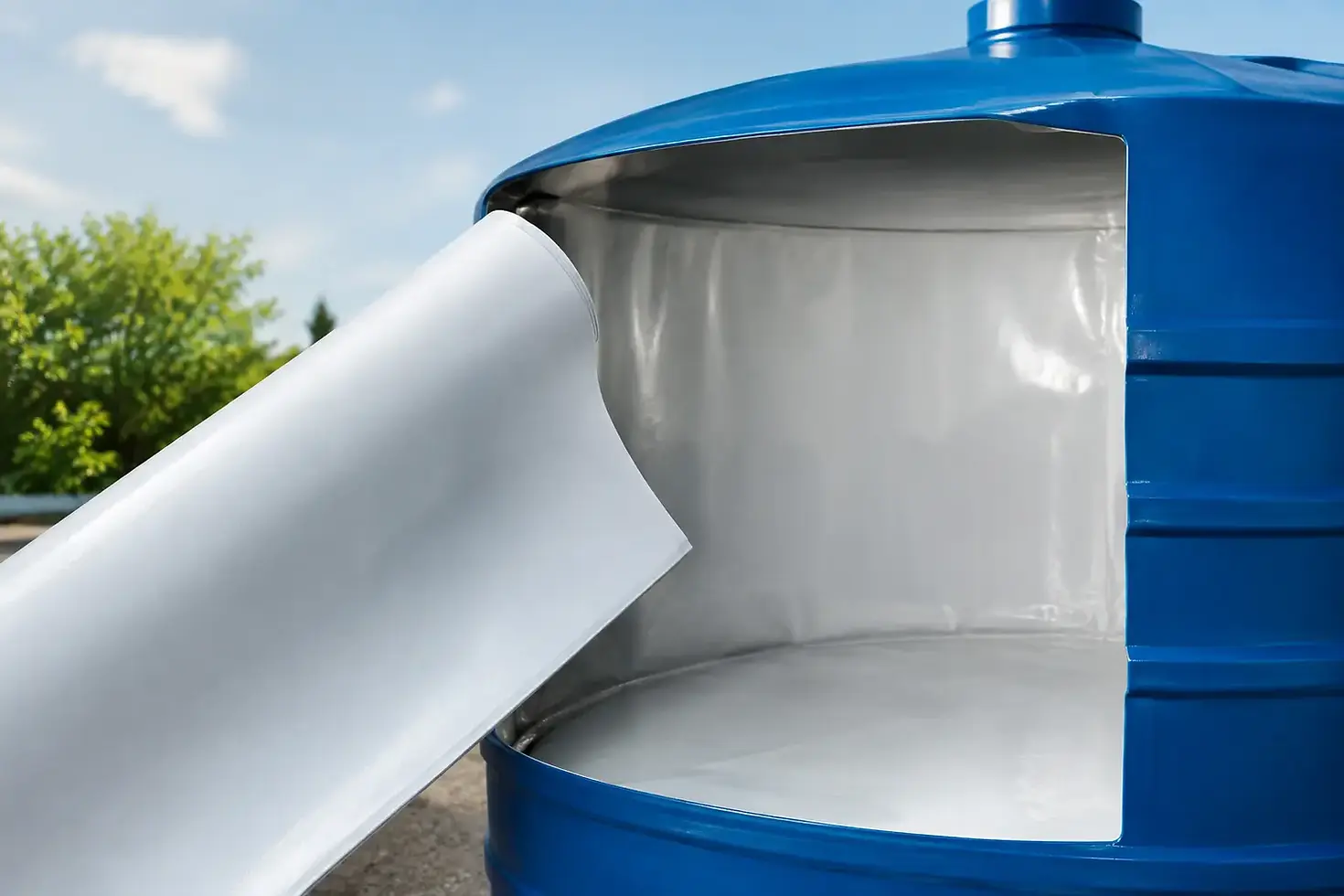
A polypropylene tank liner creates a new internal containment barrier within an existing vessel. It is commonly used to refurbish steel, galvanised steel, concrete and sectional tanks affected by corrosion, coating failure, minor leakage or deterioration of internal surfaces. Rather than relying on the old substrate to provide the primary water-retaining surface, the liner contains the stored liquid within a purpose-made, flexible membrane.
This approach is particularly valuable where removing and replacing a tank would involve difficult access, crane work, structural alterations or lengthy interruption to a building water supply. A liner can often be installed through existing access openings, then formed and secured within the tank. That makes it a practical remedial option for rooftop plant rooms, basements, enclosed service areas and operational industrial sites.
The material has useful inherent properties for water storage. Polypropylene offers good resistance to many chemicals, does not corrode and is not affected by the electrochemical processes that degrade unprotected steel. It also provides a smooth, non-porous containment surface that is far easier to clean than pitted metal or worn concrete.
However, a liner is not a universal answer. Severe structural deformation, failed support steelwork, substantial movement, unstable tank bases or an unsuitable stored chemical may require a different solution. A competent survey should establish whether refurbishment is appropriate before a lining system is proposed.
Polypropylene liner performance under real operating conditions
Material data alone is not enough to predict site performance. A liner installed in a clean potable water tank with a stable base and protected roof faces a very different operating environment from one used in an industrial process tank with elevated temperatures, aggressive cleaning regimes or frequent water-level changes.
Resistance to corrosion and water exposure
One of the principal benefits of polypropylene is its resistance to moisture and corrosion. Unlike steel, it will not rust beneath the water line, and unlike some coatings, it does not depend on a perfectly bonded interface with the existing tank surface to maintain containment. This is especially relevant where internal corrosion has created pinholes, localised thinning or rough surfaces that would make coating repair difficult.
The liner separates stored water from the underlying tank substrate. That can arrest the immediate consequence of internal corrosion by preventing water contact with damaged areas. External corrosion, structural concerns and roof leaks still need separate attention, but the internal containment duty is transferred to the liner system.
Hygiene and potable water applications
For potable water storage, the lining system must be suitable for contact with drinking water and installed under controlled, clean conditions. The material should be supported by appropriate potable-water compliance documentation for the intended application. This is not a box-ticking exercise. A liner may be manufactured from a technically capable polymer, but the finished system must also account for seams, fittings, access points and installation practices.
A smooth internal surface can assist tank cleaning and reduce the likelihood of deposits adhering to damaged substrate. It does not remove the need for planned inspection, cleaning and disinfection. Stored water quality remains dependent on the full tank system, including the lid, vents, overflows, screens, inlet arrangements, turnover rate and temperature control.
Chemical resistance requires a specific assessment
Polypropylene is widely valued for chemical resistance, but that does not mean every chemical storage duty is automatically suitable. Concentration, temperature, exposure duration and the presence of mixed chemicals all affect compatibility. Acid storage, process water and chemical dosing applications need a detailed assessment against the actual liquid being stored, including foreseeable cleaning chemicals and accidental contamination.
In these settings, performance also relies on correctly selected seals, fittings and flange arrangements. The membrane may be compatible while an incorrectly selected gasket, pipe connection or penetration detail becomes the weak point. This is why specialist tank lining should be specified as a complete containment system rather than as a sheet material alone.
Flexibility is useful, but needs proper support
A flexible liner can accommodate the minor irregularities found in ageing tanks. It can conform around panel joints, internal columns and changes in shape without the cracking risk associated with rigid linings. That flexibility is a major reason why polypropylene systems can be installed efficiently in existing assets.
It should not be confused with structural reinforcement. The liner follows the tank geometry and relies on the vessel, base and support arrangement remaining stable. Sharp projections, loose bolts, corroded edges and abrasive surfaces must be removed, repaired or protected before installation. Where necessary, protective underlay or local detailing may be used to prevent point loading and abrasion.
Installation quality determines long-term performance
The most capable liner material can fail prematurely if the installation is poorly planned. In practice, many issues arise at the interfaces: around outlets, internal pipework, access hatches, ladders, overflows and level-control equipment. These areas need accurate measurement, suitable components and disciplined workmanship.
A proper survey should assess the tank dimensions, construction, structural condition, access restrictions and operational requirements. It should also identify whether the tank can be isolated, drained and cleaned safely, and whether temporary water storage or phased works are needed to maintain site operation.
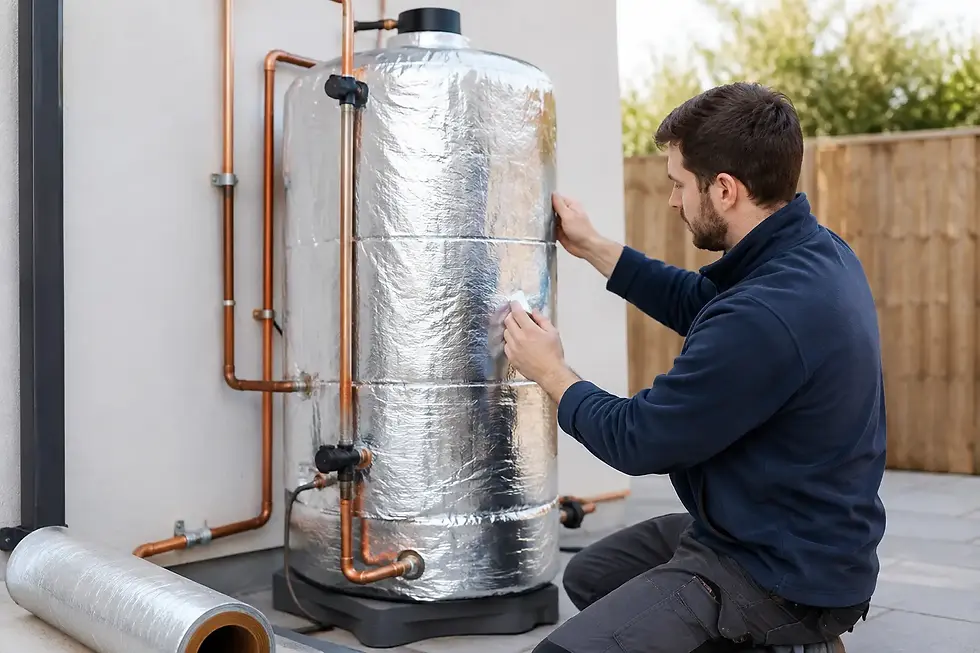
Before lining begins, the tank interior should be cleaned and prepared. Loose corrosion products, scale, failed coatings and debris can damage a membrane or compromise its fit. Any obvious defects requiring repair should be addressed first. The installer then fabricates or forms the liner to suit the individual tank, with purpose-designed details for penetrations and terminations.
Seam quality is central to polypropylene liner performance. Heat-welded seams need to be formed consistently and checked as part of quality control. A well-executed seam provides a continuous barrier; a rushed or poorly controlled joint introduces a potential leak path that may not become apparent until the tank is returned to service.
Following installation, the system should be inspected and tested before handover. For potable applications, cleaning, disinfection and recommissioning should follow the relevant site procedures and water hygiene requirements. Clear records of materials, inspection and work undertaken give the responsible person a stronger basis for future maintenance planning.
Factors that affect service life
A polypropylene liner can provide long-term value, but expected lifespan should be based on the actual duty rather than a generic claim. The most significant factors are water chemistry, temperature, exposure to sunlight or ultraviolet light, mechanical damage, tank movement, cleaning methods and the quality of installation.
For example, a covered cold-water storage tank in a commercial building is usually a relatively favourable environment. A process tank with elevated temperatures, abrasive solids, frequent cleaning cycles or aggressive chemical exposure presents a more demanding duty. In the latter case, alternative materials, additional protection or a different refurbishment method may be more appropriate.
Routine inspection matters. Tank operators should look for changes in water quality, unexplained water loss, damage around fittings, deterioration of tank covers and signs that the supporting structure is changing. Lining systems are designed to reduce maintenance burdens, not eliminate the need for responsible asset management.
Lining versus coating versus replacement
The correct remedial route depends on the failure mode. An epoxy coating can be an excellent solution where the tank substrate is sound, preparation can be achieved to the required standard and a bonded protective finish is appropriate. A polypropylene liner may be preferable where corrosion, rough internal surfaces or access constraints make coating less practical, or where a new independent containment barrier is needed.
Full replacement remains the right choice when the existing tank is structurally compromised, has insufficient capacity, cannot meet current water hygiene expectations or no longer suits the site’s operational needs. The lowest initial price is not always the lowest whole-life cost. Decision-makers should consider shutdown time, enabling works, access equipment, disposal, reinstatement, compliance requirements and the expected service period.
Nationwide Water Solutions Ltd assesses these factors at survey stage, allowing clients to compare a practical refurbishment route with replacement before committing capital expenditure.
Specifying for dependable results
A reliable specification starts with the stored liquid and the tank’s physical condition, then works outward to access, hygiene, safety and operational continuity. Ask whether the liner is suitable for the intended water or chemical duty, how penetrations will be sealed, what preparation is required, and how quality checks will be evidenced. For potable water tanks, confirm the relevant material suitability and commissioning process rather than relying on broad claims about the polymer.
The best outcome is a lining system that matches the tank’s real conditions, not an off-the-shelf material selected on price alone. When the survey, fabrication and installation are handled as one controlled process, polypropylene lining can extend the useful life of a serviceable tank while protecting stored water and limiting disruption to the site.


Comments